

Identity is Becoming a Mediated Layer
I know the common narrative we’re sold. Every tech pitch promises that AI will automate, optimize, and amplify everything. We see bots churning emails, synthesizing video, and writing code with uncanny fluency. But when I look beneath the surface, I realize few people are talking about what’s actually being transformed—and defined.
It’s not just the routines or deliverables being automated. It’s the friction at the center of being: the continuous, defining struggle over what I am, what I do, and what truly matters. The AI revolution is quietly shifting the deepest layer of human effort—the act of shaping meaning, identity, and personal value—out of spontaneous human interaction and into an explicit, algorithmically mediated form.
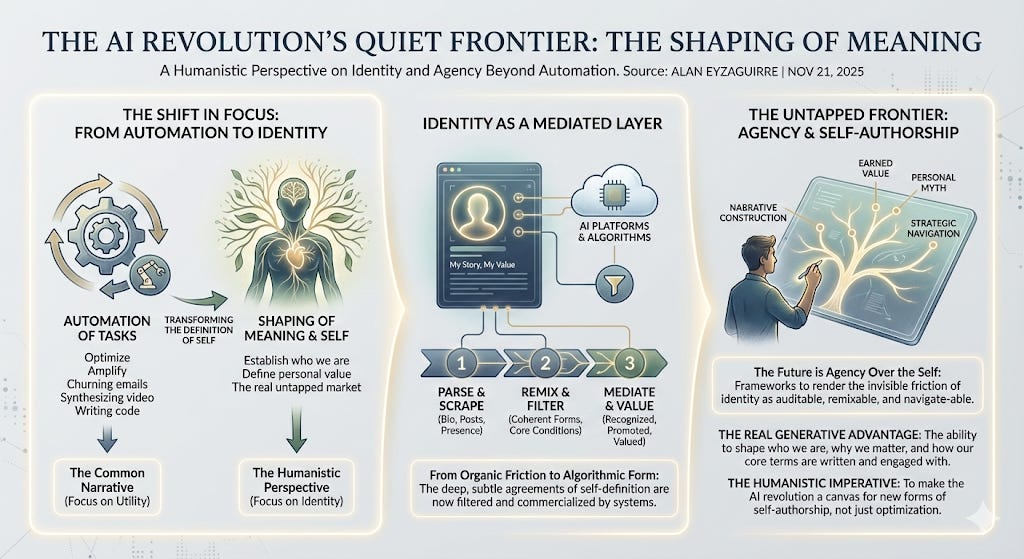
Figure 1. It took Nano Banana Pro three prompts to not make AI the center of the diagram.
For decades, the work of defining ourselves was implicit—a slow, messy process conducted in quiet strategy, in personal conversations, or through incremental actions. But now, as I watch AI platforms parse my bio, scrape my posts, and remix my presence into coherent forms, I am witnessing the rapid commercialization of our existential dynamics. Algorithms don’t just schedule my meetings; they now filter and mediate the core conditions by which I am recognized, promoted, and valued.
This isn’t an abstract concern for me. It’s the central challenge I face every time I work to express myself, refine my professional identity, or seek resonance across these fragmented digital terrains. Platforms aren’t merely “automating” my job search or my self-branding—they’re abstracting and commodifying the deep, subtle agreements that used to happen organically in coffee meetings, late-night emails, or the moment-to-moment improvisation of my personal story.
What is clearly missing in the mainstream AI discussion is this: my life is shaped less by what I automate, and far more by the kinds of identity negotiations I participate in—and which systems now mediate those transactions. The emergent market isn’t just for more intelligent chatbots. It’s for frameworks that can scaffold my ability to define myself; that can render the invisible friction of positioning, narrative construction, and consent as auditable, remixable, and, above all, strategically navigable.
The future is not in “bigger models” or “faster automation”—it’s in agency over the self, made explicit by tools that operate in the interstitial space of narrative, earned value, and personal myth. The winners, I insist, will be those who learn not just to optimize utility, but to assert and define the very terms of their being—to make the AI revolution a canvas for new forms of self-authorship.
Let others chase the ghost of automation. I am focused on the quiet currency—the real generative advantage—which is the ability to shape who I am, why I matter, and how these core terms get written, rewritten, and engaged with.